Properties of Multiplication notes (3rd Grade math)
Apply commutative, associative, and distributive properties to multiply efficiently.
The big question
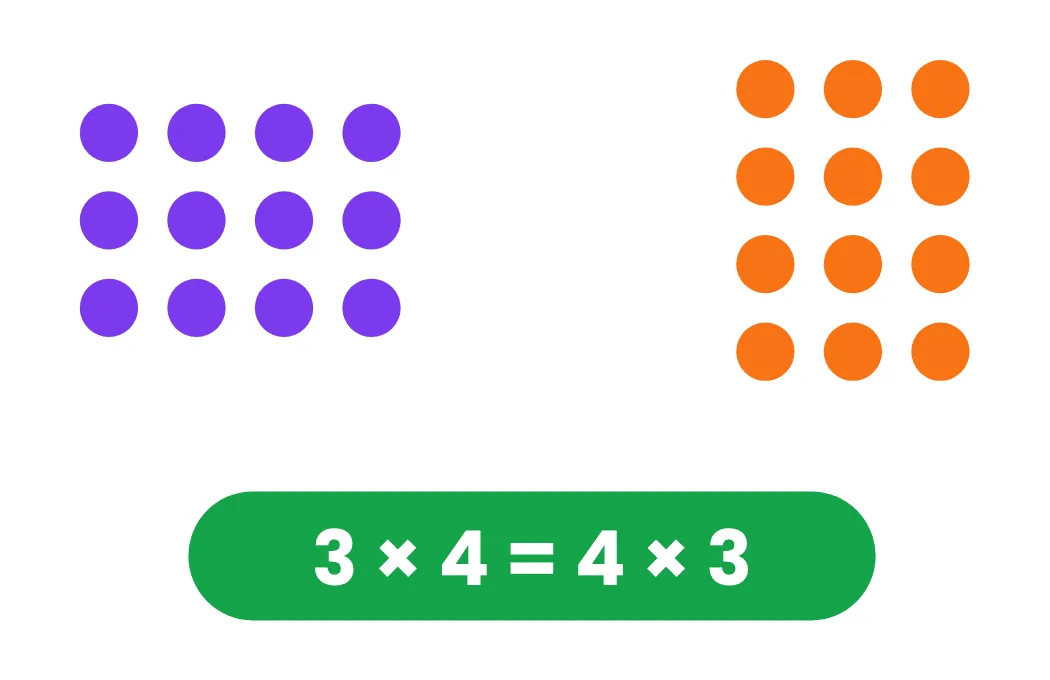
3 × 4 = 4 × 3
Can we change the order when we multiply? Yes, and more tricks!
Learn it, step by step
1. Commutative: order
3 × 4 is 12, and 4 × 3 is 12. Turning the array does not change the total.
This is the commutative property.
3 × 4 = 4 × 3
2. Associative: grouping
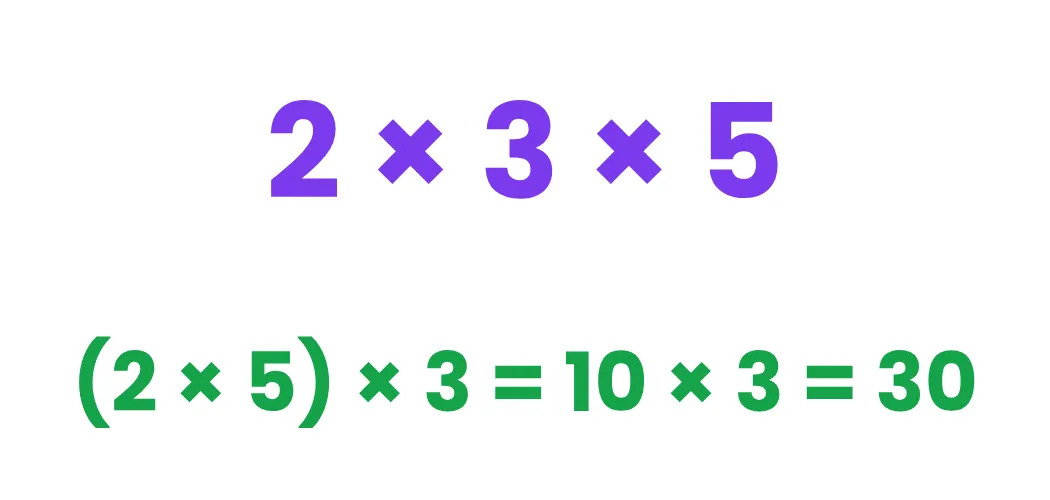
2 × 3 × 5: you can multiply in any grouping.
2 × 5 first makes 10. Then 10 × 3 is 30. Easy!
2 × 3 × 5
(2 × 5) × 3 = 10 × 3 = 30
3. Distributive: break apart
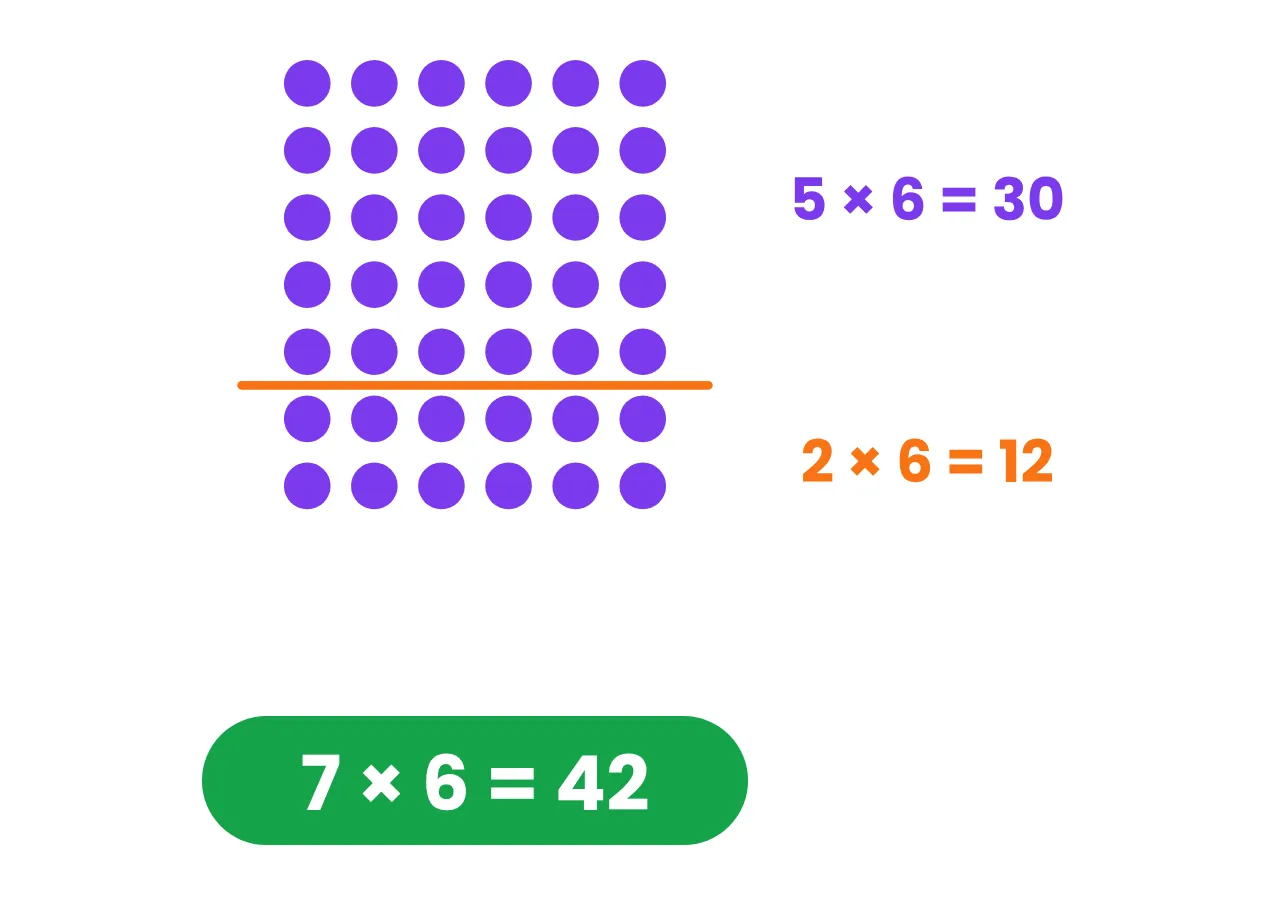
7 × 6 is hard. Break 7 into 5 and 2.
5 × 6 is 30 and 2 × 6 is 12. 30 plus 12 is 42.
5 × 6 = 30
2 × 6 = 12
7 × 6 = 42
4. Times 1 and times 0
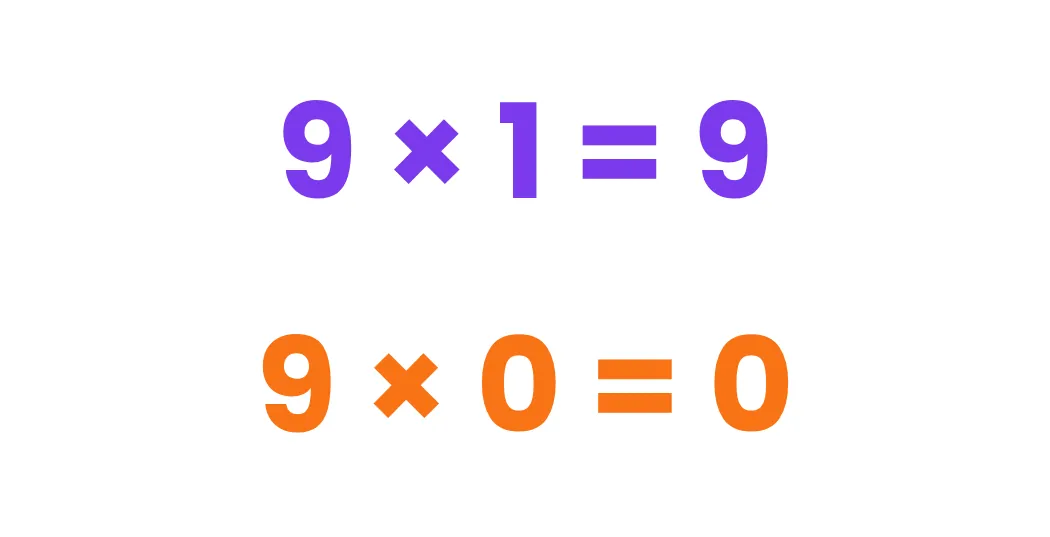
Any number times 1 is itself: 9 × 1 is 9.
Any number times 0 is 0: 9 groups of nothing is nothing.
9 × 1 = 9
9 × 0 = 0
Watch out: Multiply both parts
When you break apart, multiply each part. 7 × 6 is 5 × 6 plus 2 × 6, not 5 × 6 plus 2.
Wrong: 7 × 6 = 30 + 2. Right: 7 × 6 = 30 + 12.
Your turn
Use the break-apart idea for 8 × 4.
8 × 4 = ?
Answer: 32. 20 plus 12 is 32. 8 × 4 = 32!
Remember
Order and grouping don't change a product.
Break apart hard facts into easier ones.
a × b = b × a
7 × 6 = 5 × 6 + 2 × 6
Watch the Properties of Multiplication lesson and practice · Printable worksheet