Measurement notes (2nd Grade math)
Measure length, weight, volume, and convert units.
The big question
📏
Which unit should we use? Let's compare units!
Learn it, step by step
1. Small and big units
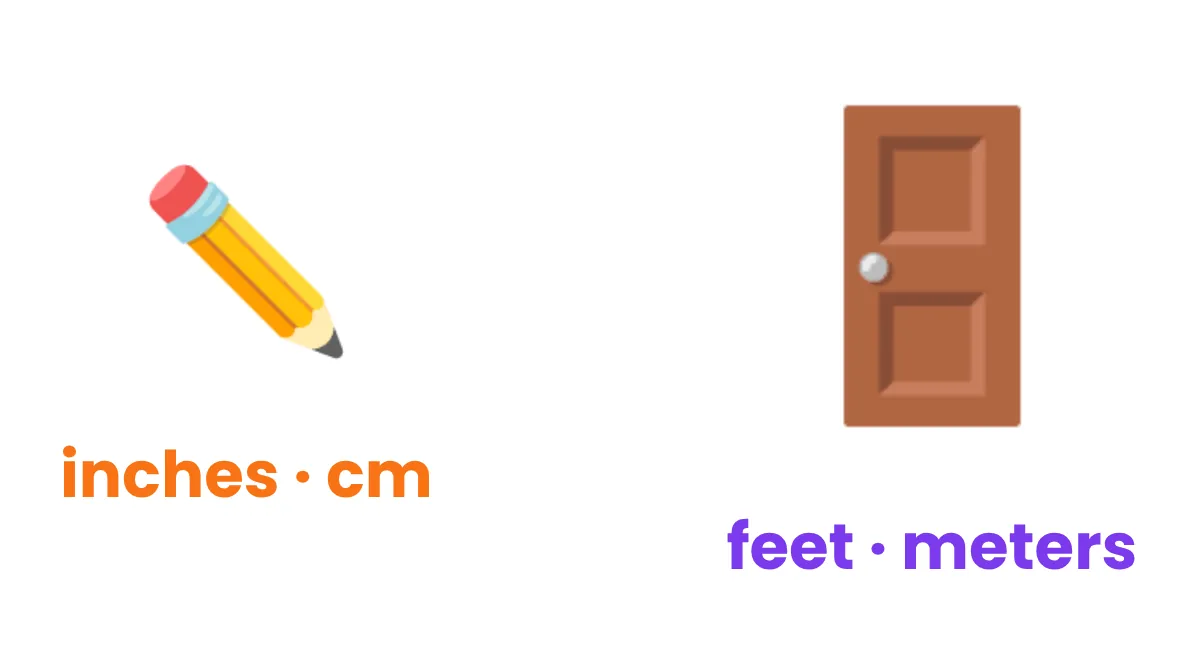
Inches and centimeters measure small things, like a pencil.
Feet and meters measure bigger things, like a door or a room.
inches · cm
feet · meters
2. How they compare
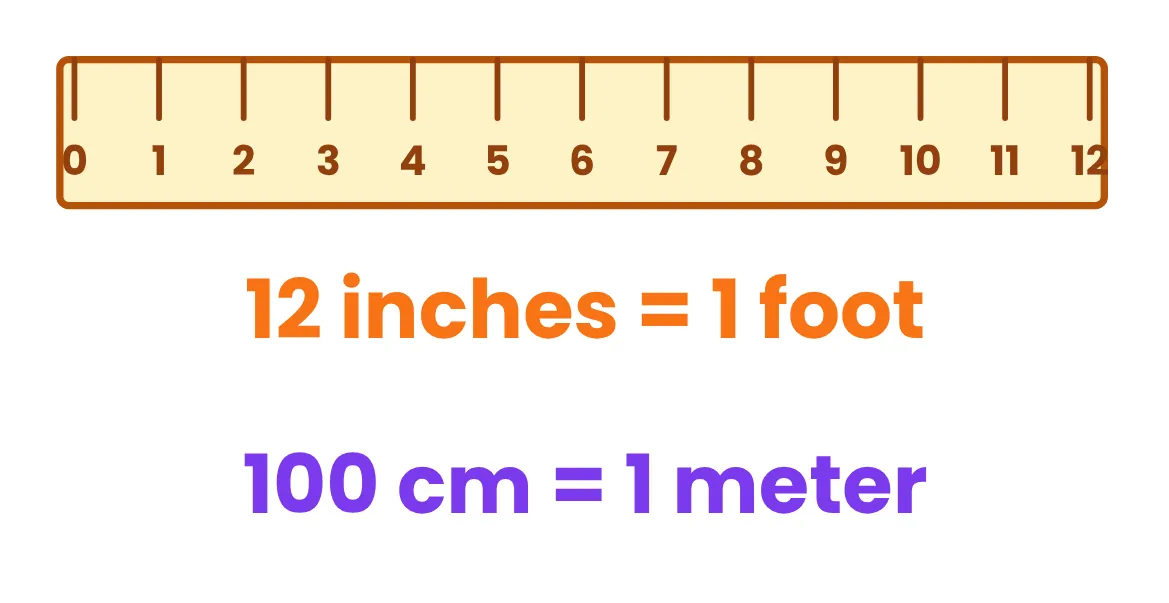
12 inches make 1 foot. 100 centimeters make 1 meter.
A meter is a little longer than a yard, about a big step.
12 inches = 1 foot
100 cm = 1 meter
3. Smaller unit, bigger number
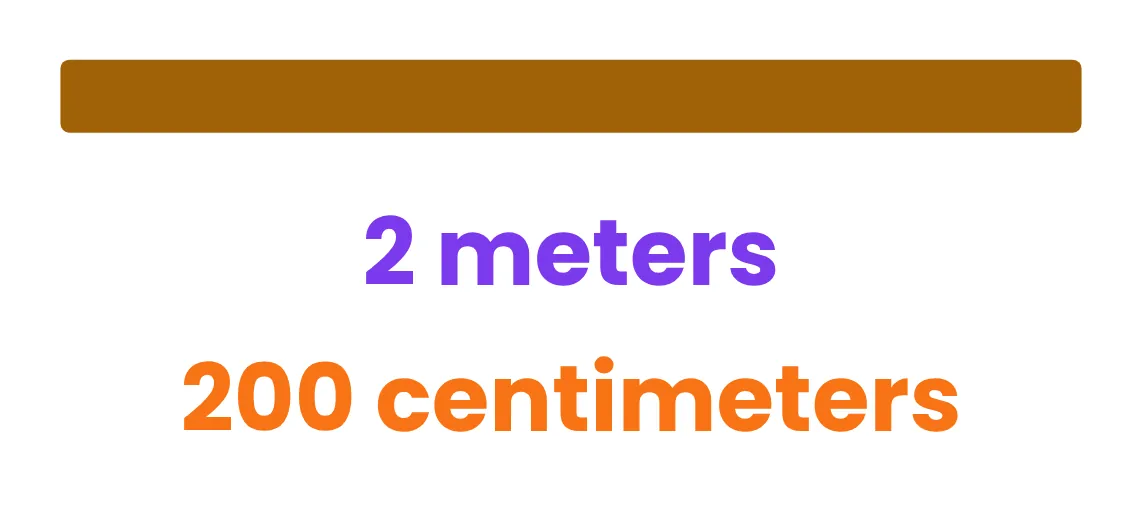
The same table is 2 meters long, or 200 centimeters.
Smaller units need more of them, so the number is bigger.
2 meters
200 centimeters
4. Estimate first
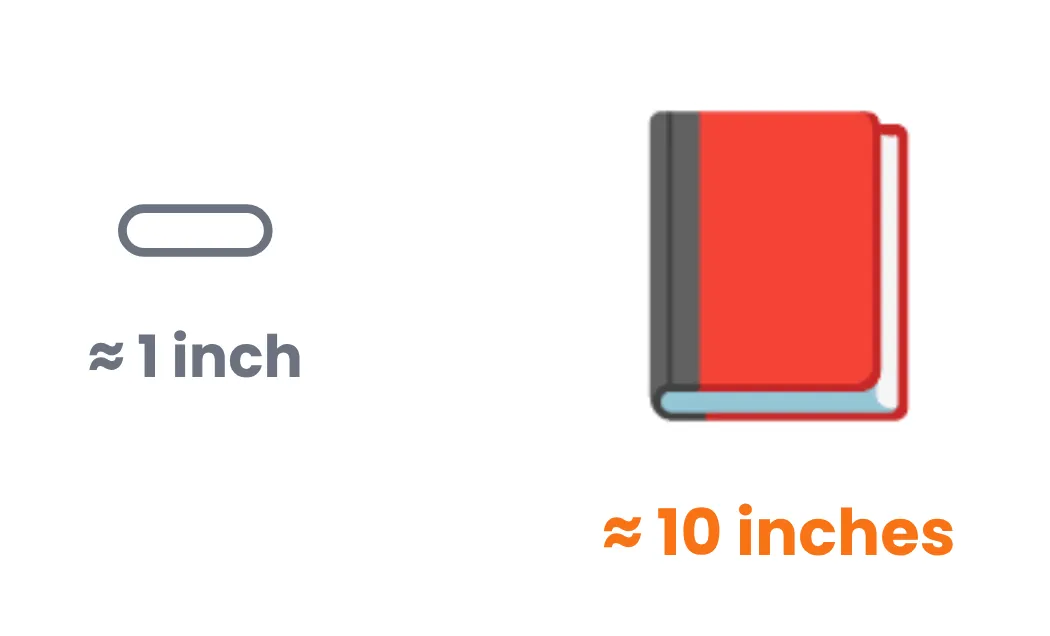
Before measuring, make a smart guess. A paper clip is about 1 inch.
A book might be about 10 inches. Then measure to check.
≈ 1 inch
≈ 10 inches
Watch out: Start at zero
When you use a ruler, line the object up with 0, not 1.
Wrong: start at 1. Right: start at 0.
Your turn
Would you measure a soccer field in inches or meters?
Answer: meters. Meters! The field is big, so we use a big unit.
Remember
Small things: inches or centimeters. Big things: feet or meters.
Estimate, then measure from 0.
Watch the Measurement lesson and practice · Printable worksheet